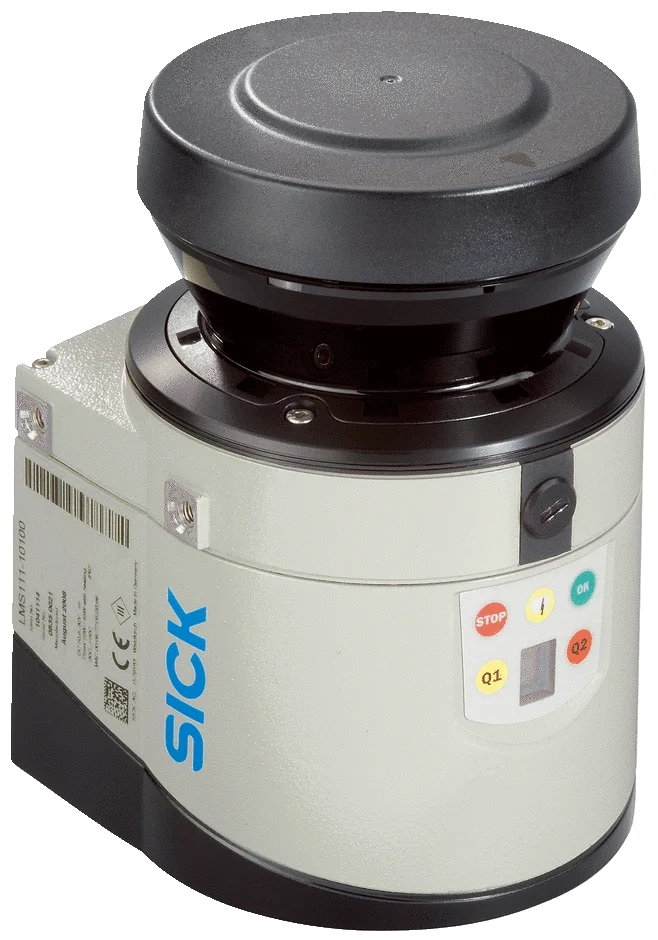
Obstacle detection using LIDAR data Circuit Diagram
Obstacle detection using LIDAR data Circuit Diagram To use LiDAR and infrared sensors effectively for obstacle detection in robotics, they need to be integrated with other sensors and systems on the robot.

Active LiDAR, using a laser beam to detect obstacles, is great for precise mapping & obstacle detection. It can be used in conjunction with other sensors for real-time navigation & object avoidance. The LiDAR data is pre-processed before applying all the steps mentioned above. Pre-processing is done to downsample the LiDAR data so that obstacle detection can be done efficiently without unnecessarily processing a large number of data points. Voxel grid is used for downsampling the LiDAR data points.
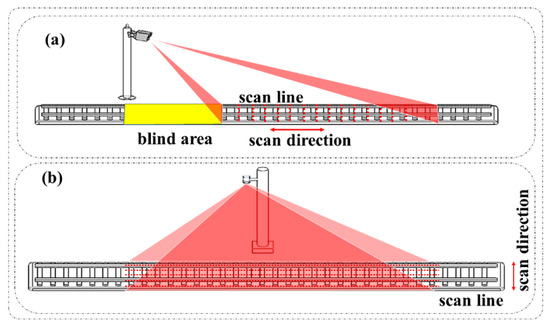
Ground Plane and Obstacle Detection Using Lidar Circuit Diagram
navigation system versus stitching, calibrating and synchronizing many sensors. 2 Common Approaches to Obstacle Detection The most common approach to ODOA is utilizing 2D, or planar LiDAR. These solutions are effective for an ultra-wide horizontal field-of-view, however they only detect obstacles on the horizontal plane on which they're mounted. Sensor fusion, multi-modal perception, autonomous vehicles — if these keywords pique your interest, this Medium blog is for you. Join me as I explore the fascinating world of LiDAR and color image-based environment understanding, showcasing how these technologies are combined to enhance obstacle detection and decision-making for autonomous vehicles.
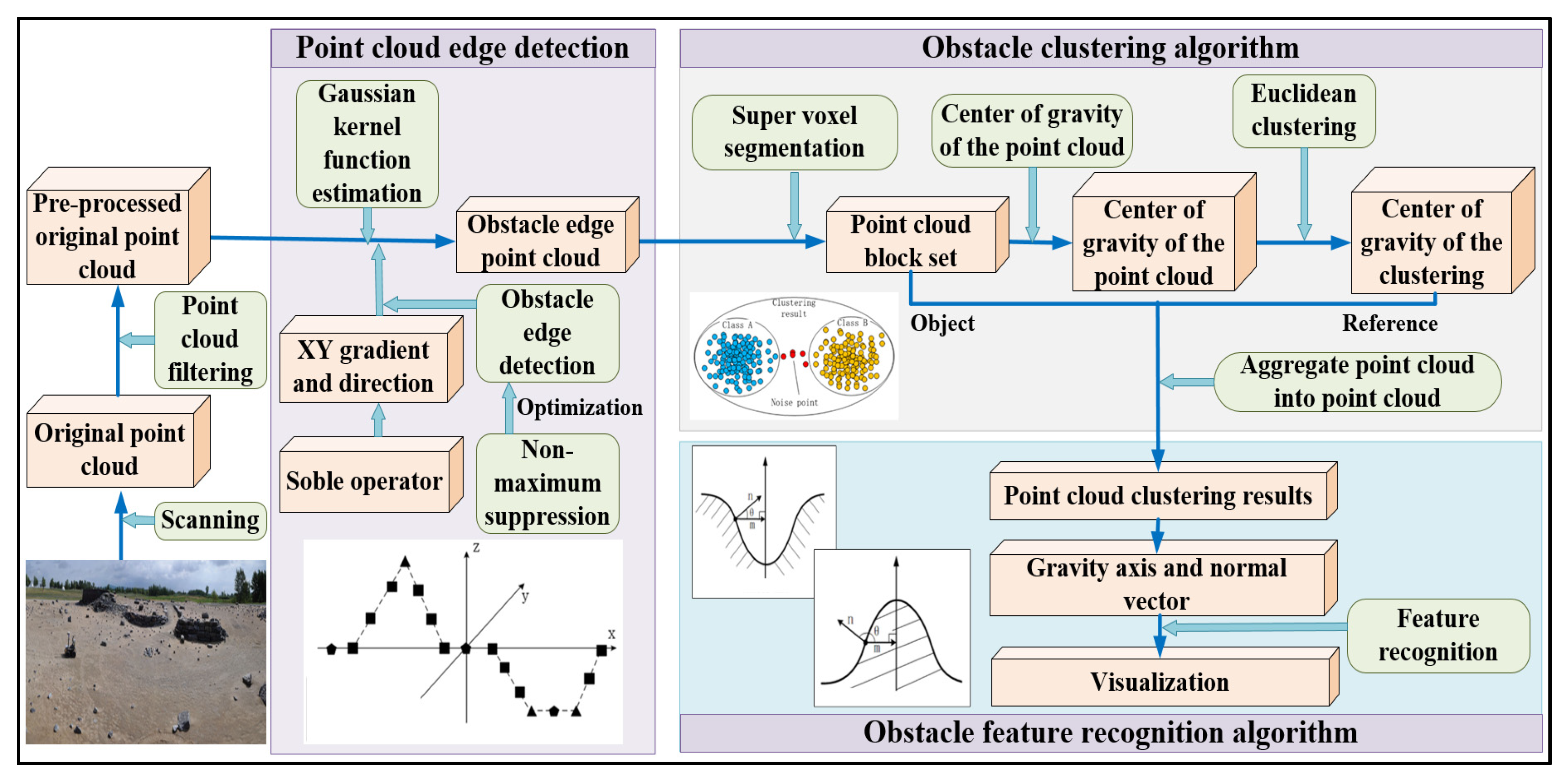
Radar sensors are also very affordable and common now of days in newer cars. Sensor Fusion by combing lidar's high resoultion imaging with radar's ability to measure velocity of objects we can get a better understanding of the sorrounding environment than we could using one of the sensors alone.
How LiDAR and Infrared Sensors Enhance Obstacle Detection in Robotics Circuit Diagram
An accurate perception with a rapid response is fundamental for any autonomous vehicle to navigate safely. Light detection and ranging (LiDAR) sensors provide an accurate estimation of the surroundings in the form of 3D point clouds. Autonomous vehicles use LiDAR to realize obstacles in the surroundings and feed the information to the control units that guarantee collision avoidance and motion